SYNAPTIC Rehabilitation

Do You have Parkinson's Disease?

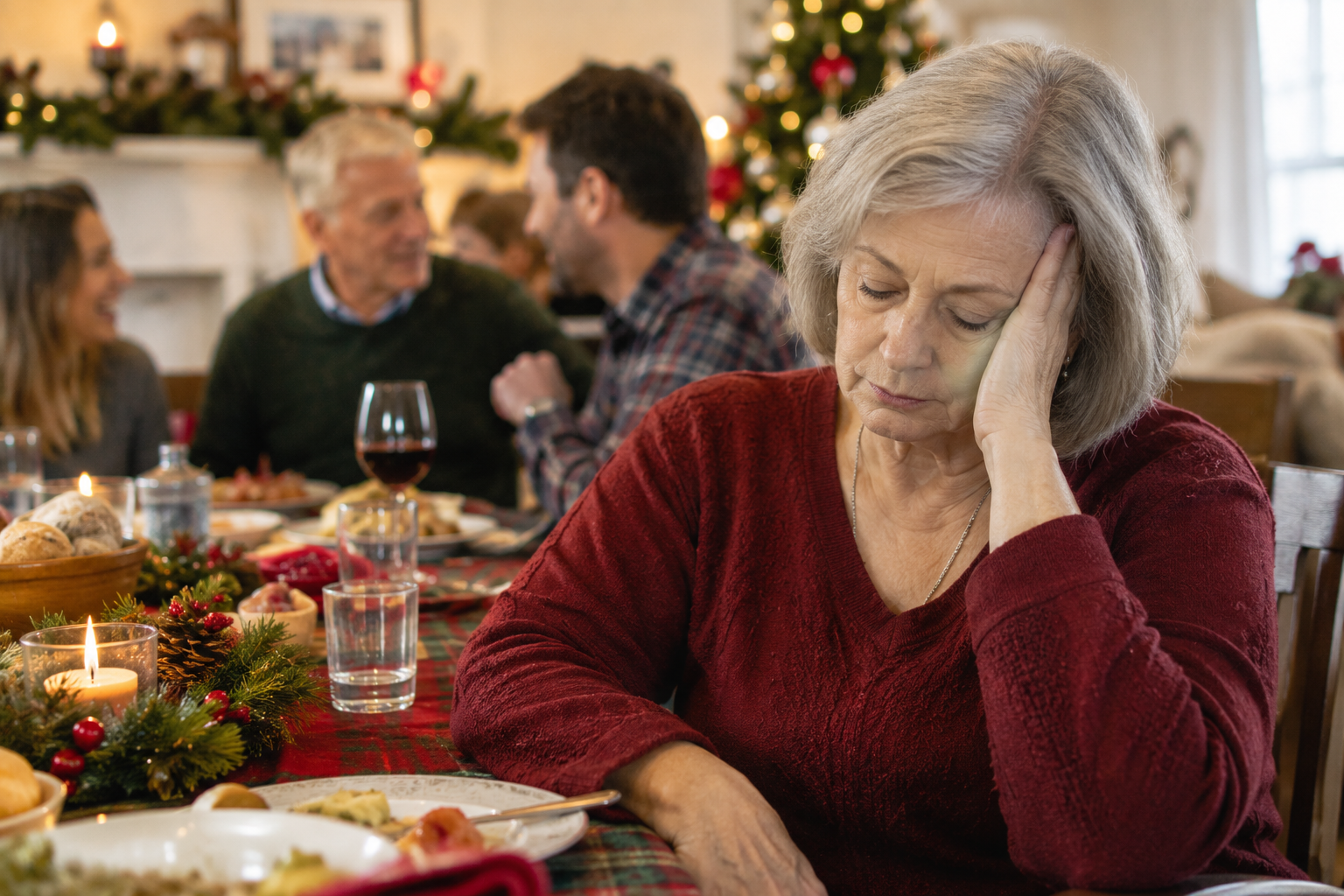
Why Holiday Gatherings Can Be Exhausting After a Stroke or With Parkinson’s

Why Holiday Gatherings Can Be Exhausting After a Stroke or With Parkinson’s The holidays are supposed to be a time for family, food, and catching up with the people you care about. But if you’ve had a stroke or live with Parkinson’s disease, a holiday gathering can leave you exhausted long before everyone else is […]

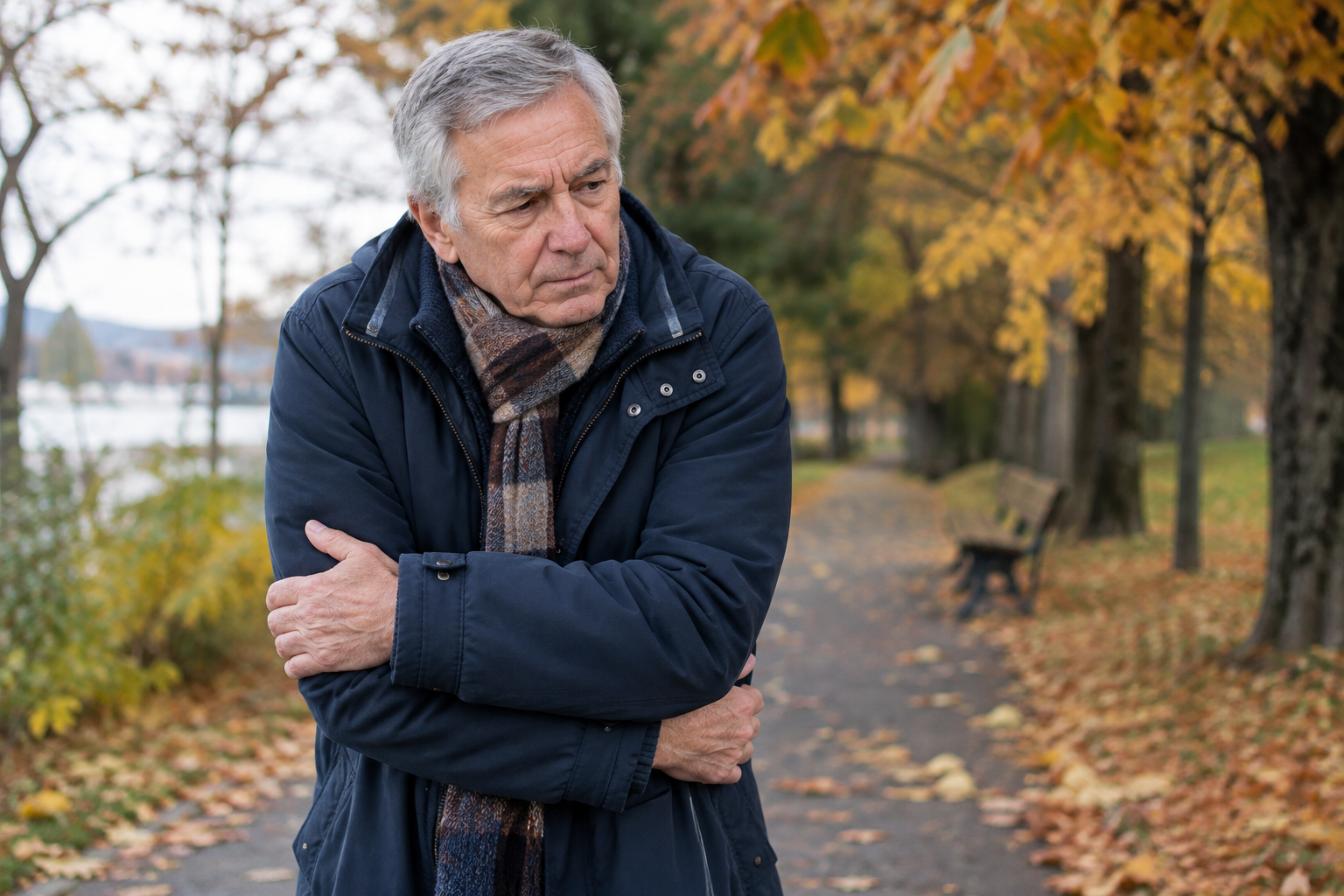
Why Changes in Temperature Can Make Parkinson’s Symptoms Feel Worse in the Fall

Why Changes in Temperature Can Make Parkinson’s Symptoms Feel Worse in the Fall As summer turns into fall, you may notice that getting moving in the morning doesn’t feel quite the same. Your muscles may feel stiffer. Your hands may seem slower. Walking may take more effort. Even simple movements, such as getting dressed or […]

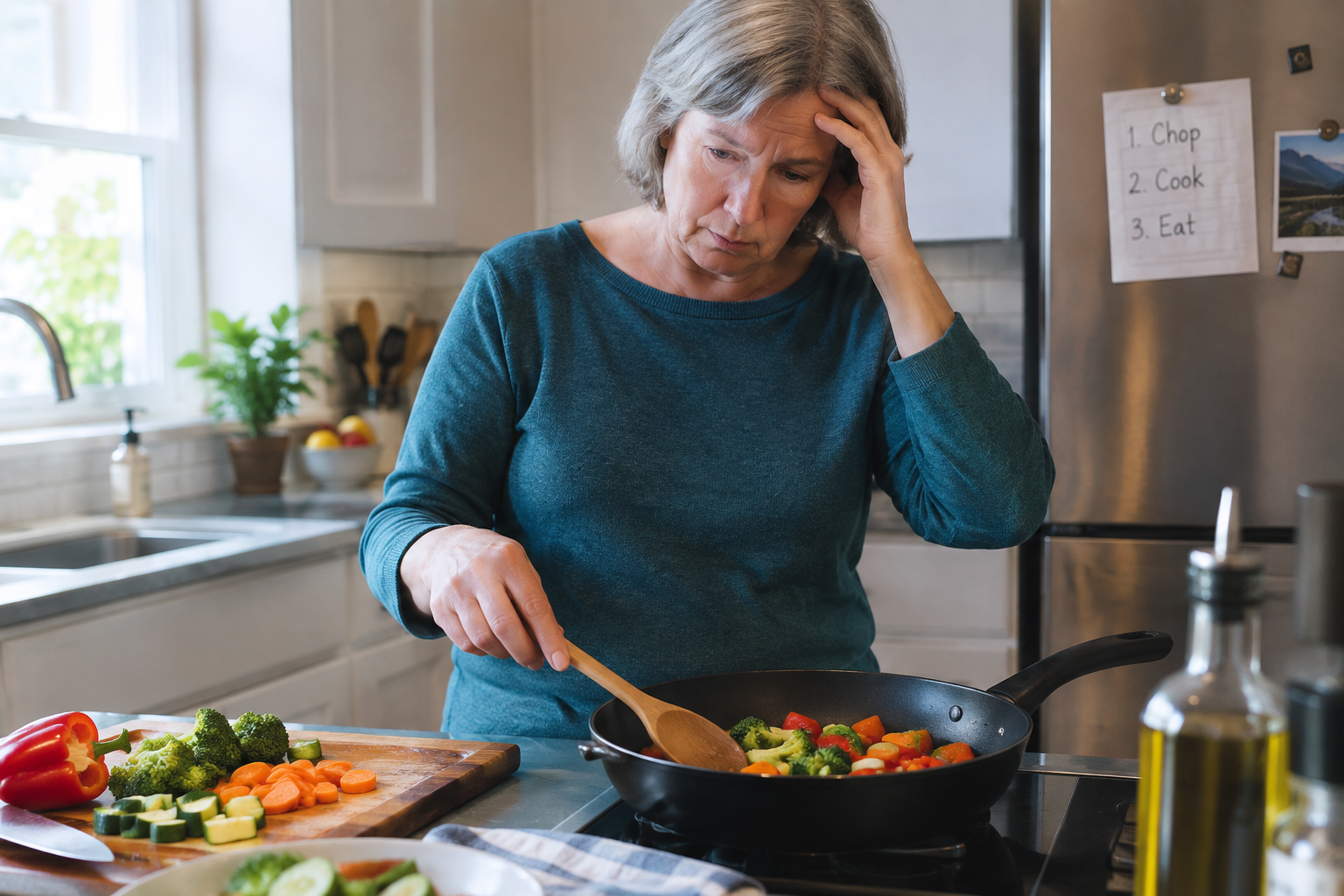
Why Stroke Survivors May Struggle With Cooking More Than They Expect

Why Stroke Survivors May Struggle With Cooking More Than They Expect Cooking is something many people do without thinking much about it. You reach for a pan, open a container, chop vegetables, stir a pot, carry a plate, and move around the kitchen. After a stroke, those same steps can suddenly feel much harder. You […]

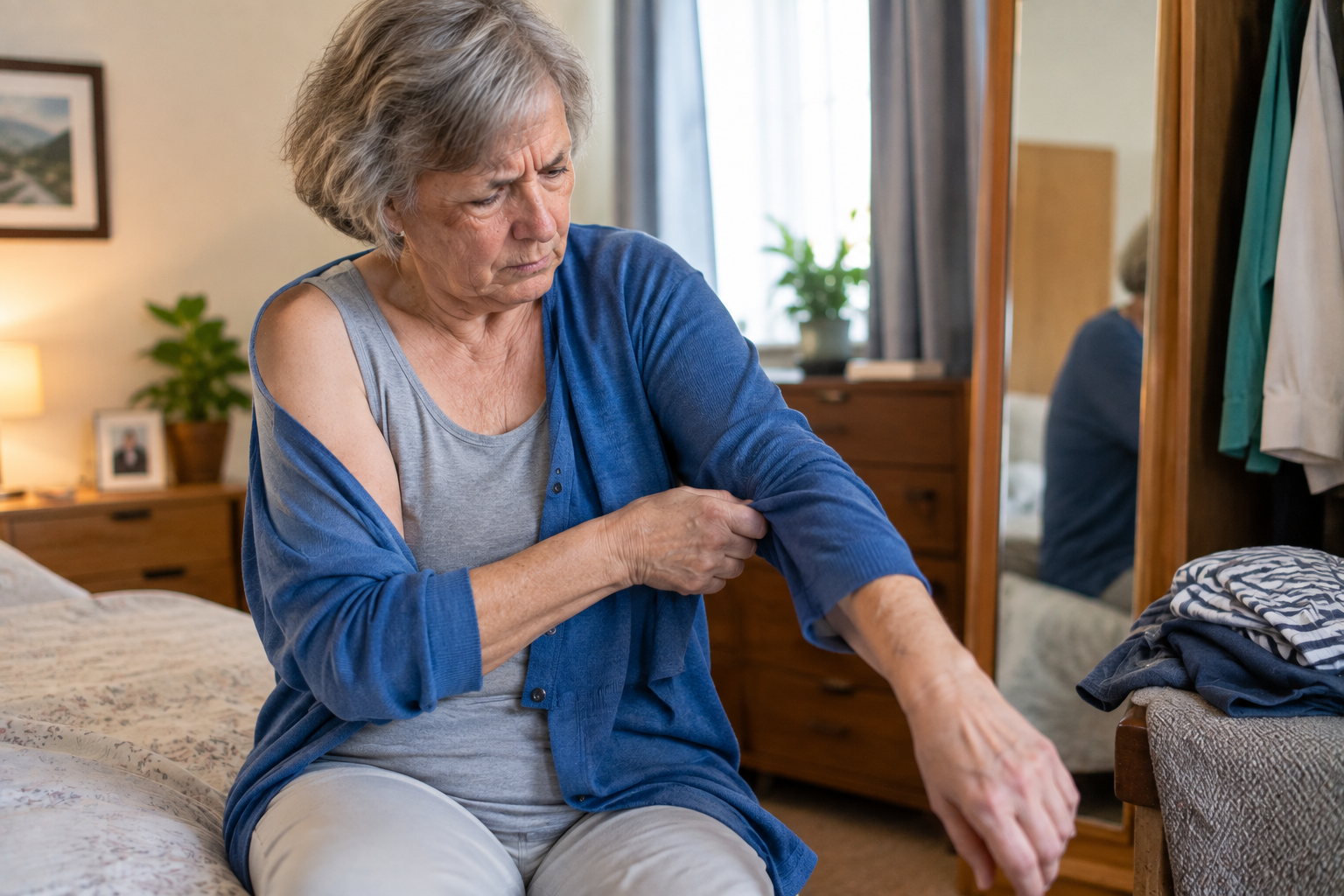
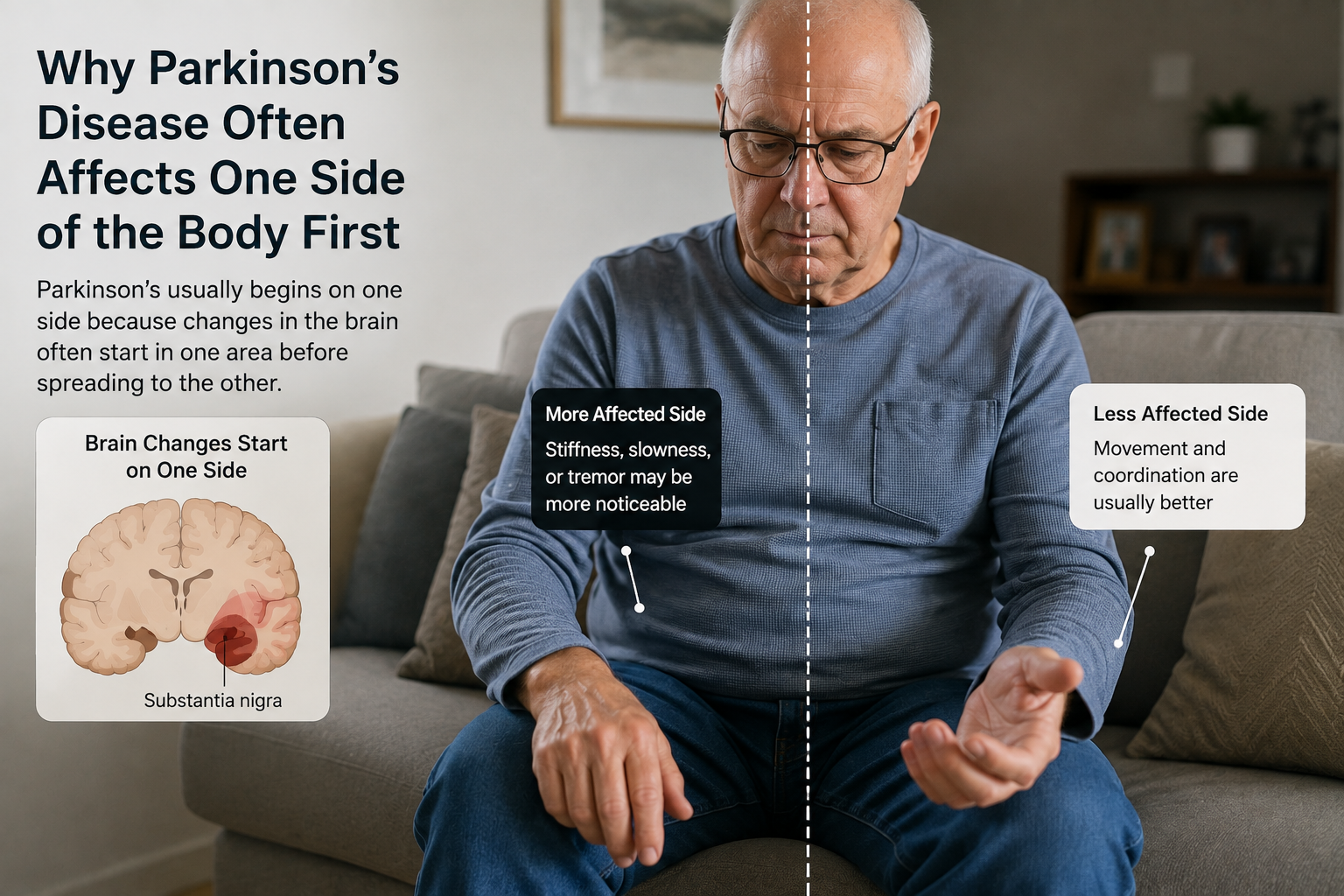
Why Parkinson’s Disease Often Affects One Side of the Body First

Why Parkinson’s Disease Often Affects One Side of the Body First One of the things that can make early Parkinson’s disease confusing is that symptoms often don’t begin evenly throughout the body. You may first notice changes on just one side. For example: Over time, symptoms may affect both sides of the body. But Parkinson’s […]

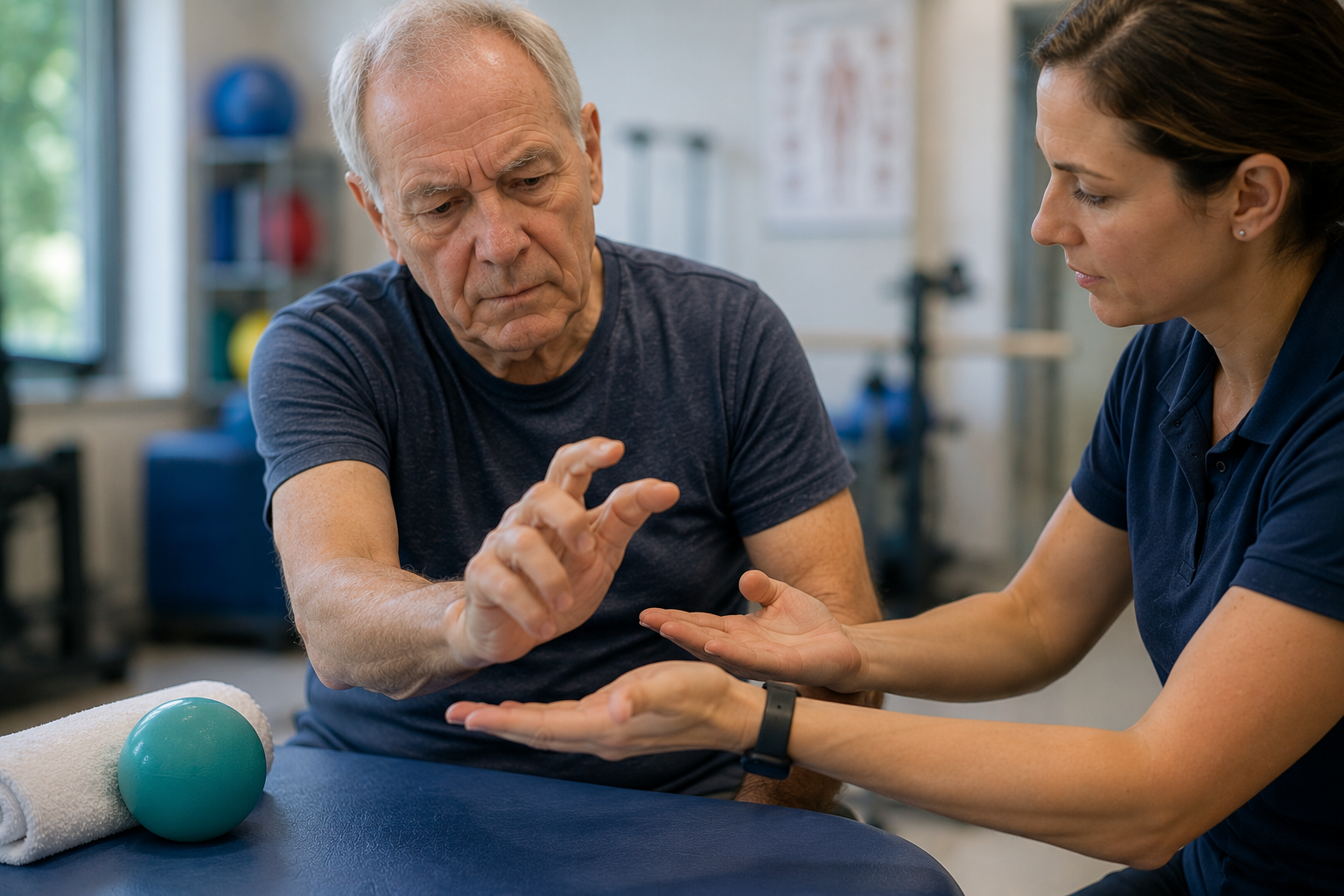
Why Your Hand Doesn’t Open as Easily After a Stroke

Why Your Hand Doesn’t Open as Easily After a Stroke After a stroke, many people notice a frustrating problem with their affected hand: They can grip an object—but they have trouble letting it go. Or they may feel as though their fingers are constantly curled, making it difficult to fully open the hand. This can […]

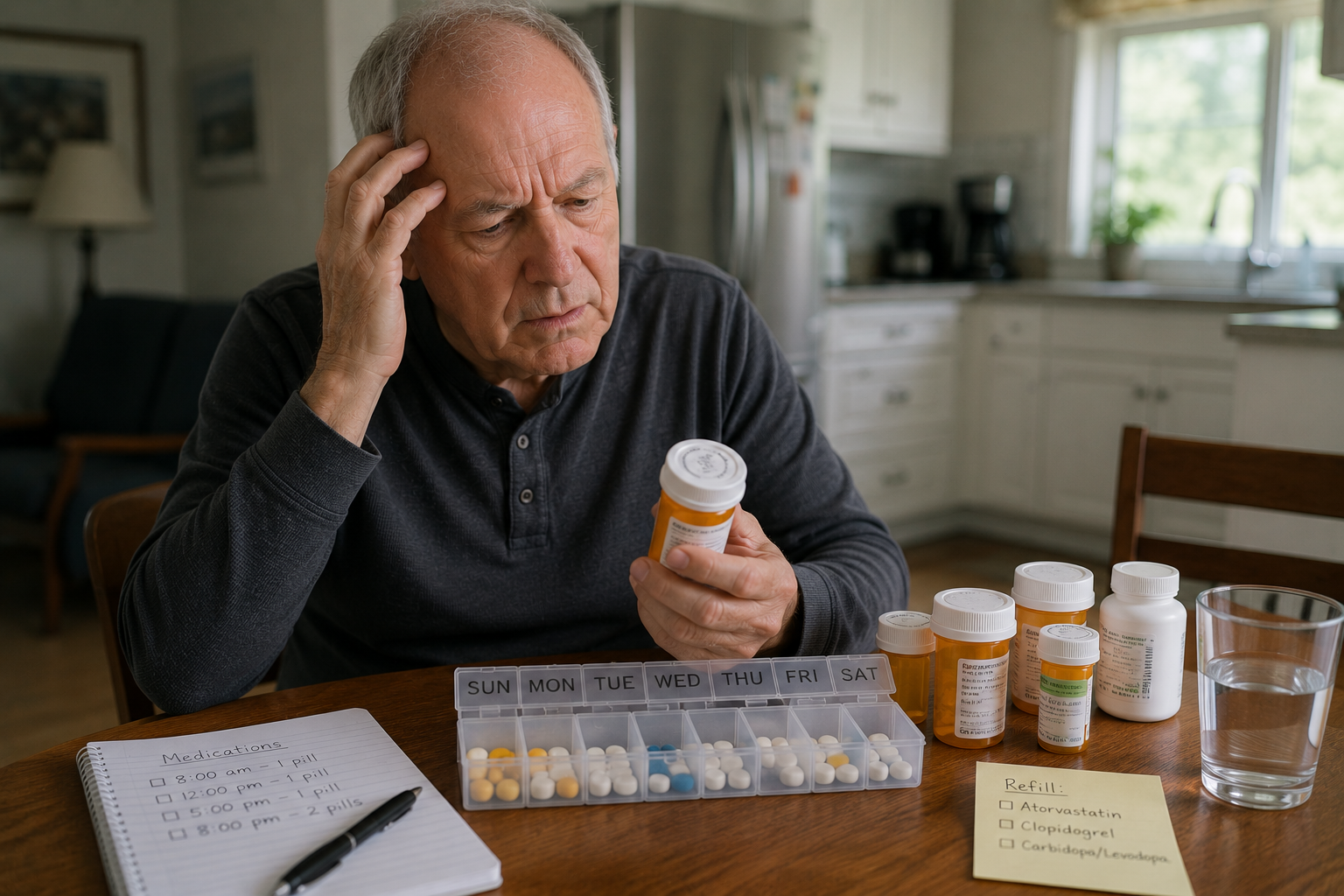
Why Managing Everyday Medications Can Become Harder After a Stroke or With Parkinson’s

Why Managing Everyday Medications Can Become Harder After a Stroke or With Parkinson’s Taking medication may seem like a simple part of the daily routine. Read the label. Open the bottle. Take the right amount. Put everything away. But for someone recovering from a stroke or living with Parkinson’s disease, medication management can involve several […]

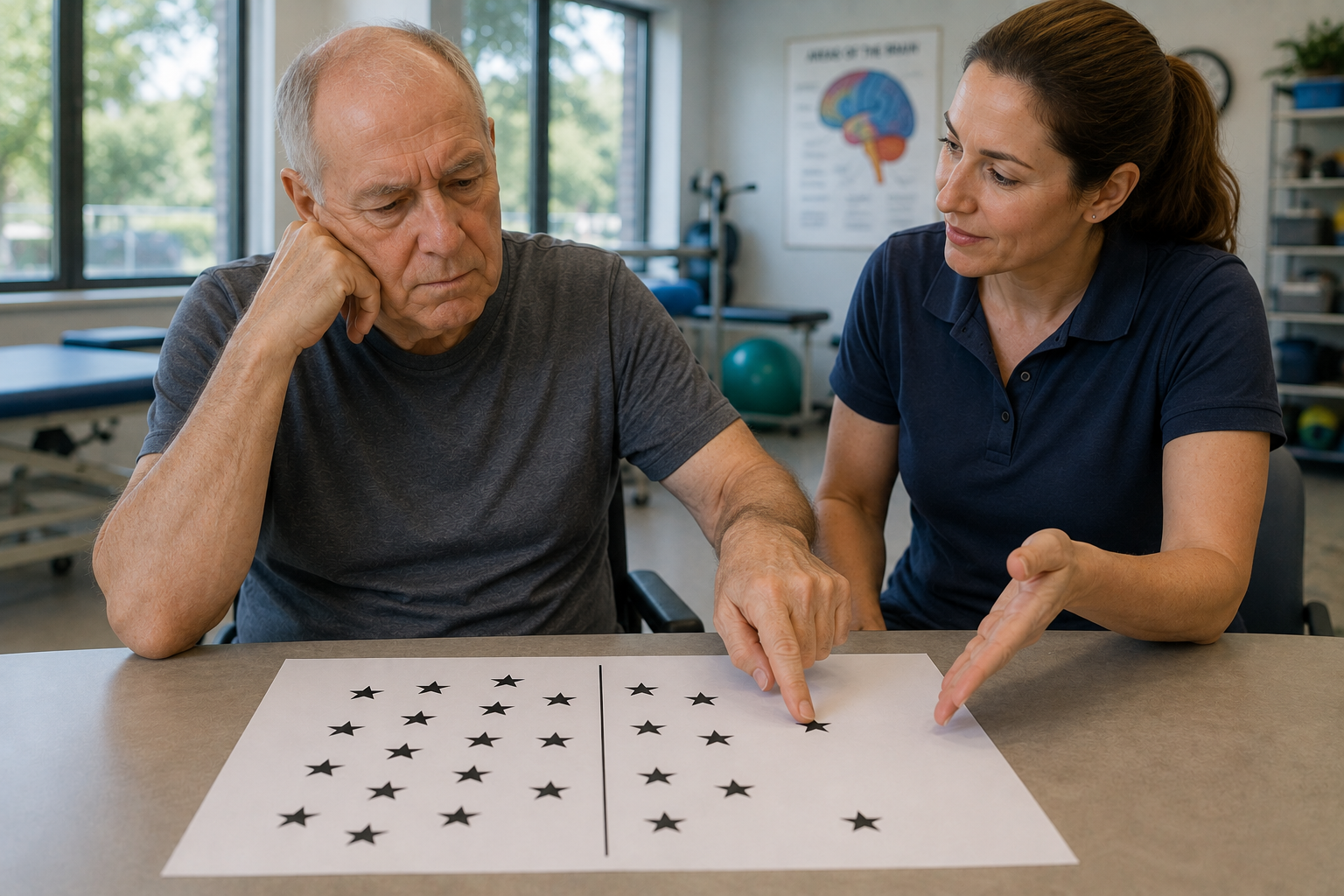
Why You Keep Missing Things on One Side After a Stroke

Why You Keep Missing Things on One Side After a Stroke Have you ever noticed someone recovering from a stroke repeatedly missing things on one side? Maybe they: It can be easy to assume the problem is poor eyesight. Sometimes it is. But in some stroke survivors, the issue is something different: spatial neglect. Spatial […]

Why You Know What You Want to Do After a Stroke but Can’t Figure Out How to Do It

Why You Know What You Want to Do After a Stroke but Can’t Figure Out How to Do It Imagine asking someone to brush their teeth. They know exactly what you mean. They understand what a toothbrush is, where it is, and what they’re supposed to do with it. But when they try, something doesn’t […]

Back-to-School Safety Tips for Grandparents: Keeping Up With Active Grandchildren

Back-to-School Safety Tips for Grandparents: Keeping Up With Active Grandchildren As summer comes to an end, many grandparents find themselves taking on a more active role in their grandchildren’s daily routines. You may be: These moments are rewarding—but they can also place unexpected demands on your balance and mobility. If you’ve noticed that walking, lifting, […]

Why Fine Motor Skills Matter More Than Grip Strength

Why Fine Motor Skills Matter More Than Grip Strength When people think about hand function, they often think about grip strength. Can you squeeze someone’s hand firmly? Can you hold onto a grocery bag? Can you lift a gallon of milk? While strength is important, it isn’t the whole picture. In fact, many people recovering […]

Scroll to top